The Two Supplies That Keep A Family Standing When Everything Else Fails – Survivopedia

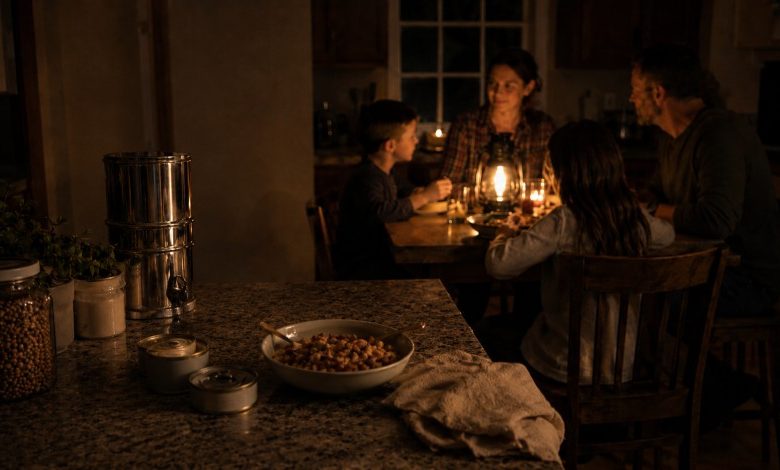

When trouble reaches a household, the first questions are usually simple.
What will we drink?
What will we eat?
Those questions come before comfort, entertainment, and almost everything else. A family can live without lights for a while. They can sleep in one room to stay warm. They can cook outside, wear the same clothes, and put normal routines on hold.
They cannot go long without safe water and dependable food.
That is why the strongest family preparedness plans begin with those two needs. Water keeps the body alive. Food keeps people strong enough to work, think clearly, care for children, and make good decisions. When both are handled, the entire household becomes calmer.
Water Problems Can Arrive Quickly
Most people trust the kitchen faucet because it has always worked.
That trust can disappear in a few hours.
A blackout can stop well pumps and treatment equipment. Flooding can carry waste into local water sources. A broken main can reduce pressure and allow contamination into the system. Chemical spills, damaged infrastructure, or overwhelmed treatment plants can lead to boil notices or warnings against using the water at all.
Even when water continues to flow, there may be questions about whether it is safe.
A family should keep stored drinking water, but storage alone has limits. Containers take up space. Water is heavy. Supplies eventually run low. A household that can filter additional water has far more staying power than one that depends only on what was stored before the emergency.
A Water Filter Creates Options
A good water filter gives a family another layer of protection.
It can make stored water easier to manage, improve water collected from a known source, and provide backup when local water quality becomes questionable. A gravity-fed filter is especially useful because it does not need electricity. Water can be poured into the upper chamber and collected below while the family handles other work.
That simplicity matters during an outage.

A filter should be matched to the hazards you expect, and no device should be treated as magic. Some filters are designed mainly for sediment and microorganisms, while others may also reduce certain chemicals or metals. Families should understand what their equipment can handle and follow any official warnings during a serious contamination event.
Still, having a dependable filter puts a household in a much stronger position. It reduces the pressure to search for bottled water, stand in distribution lines, or drive from store to store after shelves are empty.
Food Must Be Ready When The Freezer Is Not
The second problem arrives when refrigeration becomes unreliable.
A full freezer looks like security until the power stays off. Then the family begins racing against time. Meat starts thawing, dairy warms, and leftovers become questionable. The household may have hundreds of dollars in food but only a short window to use it safely.
Shelf-stable food removes that pressure.
Rice, beans, oats, flour, pasta, and canned vegetables all deserve space in the pantry. They provide calories and help stretch meals. But families also need convenient sources of protein that can be stored without refrigeration.
That is where canned meat becomes one of the most useful foods a prepper can own.
Canned Meat Turns Staples Into Meals
Canned chicken, beef, turkey, pork, tuna, salmon, and other shelf-stable meats give the cook immediate options.
A can of meat can be mixed with rice, beans, potatoes, pasta, soup, or vegetables. It can be warmed quickly, added near the end of cooking, or eaten without heating when fuel is limited. Because the meat is already cooked, the family does not need to spend hours running a stove or fire.
That saves time, fuel, and water.
It also helps with morale. A bowl of plain rice may fill the stomach, but rice with chicken feels like supper. Beans become more satisfying with pork or beef. Soup becomes a substantial meal when meat is added. Children and older family members are often more willing to eat when familiar flavors are present.
In a long emergency, meals should provide more than bare survival. They should help the household remain steady.
Protein Supports The People Doing The Work
Hard times create physical demands.
Someone may need to carry water, clear storm debris, repair a fence, protect the property, care for a sick relative, or keep children calm while normal services are unavailable. Those jobs require energy and strength.
Canned meat provides protein that helps support muscle, recovery, and a greater feeling of fullness. It works especially well when combined with cheaper staples, allowing one can to strengthen a larger family meal.
A prepper pantry does not need to be built entirely around meat. It does need enough meat to make basic staples more useful and satisfying.
Build Meals Around Food And Water Together
Food and water planning should never be separated.
Dry beans may store well, but they need water and cooking fuel. Pasta needs water. Rice needs water. Powdered foods need water. Even cleanup uses water.
Canned meat helps reduce some of that demand because it is already cooked and contains moisture. Canned meals, soups, and meats can be served with foods that require very little preparation. This becomes valuable when every cup of water has to be carried, filtered, boiled, or rationed.
A family should practice making meals that conserve both fuel and water. This might include canned beef with instant potatoes, chicken with quick-cooking rice, tuna with crackers, or canned meat added to ready-to-eat beans.
Store What The Family Will Actually Use
A pantry works best when it reflects normal family habits.
Buy types of canned meat your household already enjoys. Learn several meals for each one. Store seasonings, broth, sauces, and staples that work well with them. Rotate the cans through regular lunches and dinners so the supply remains familiar and fresh.
Do the same with the water filter. Set it up before an emergency. Run water through it. Learn how to clean it, replace its parts, and recognize when the flow changes. Keep instructions and spare components together.
Equipment and supplies should never remain mysterious until the crisis begins.
Protect The Family From Panic
The greatest benefit of food and water preparation may be the calm it creates.
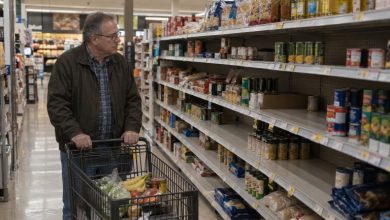
When the power fails, stores close, or officials announce a water problem, an unprepared family has to react immediately. They join traffic, search for open stores, compete for the last cases of bottled water, and buy whatever food remains.
A prepared family can stay home and make decisions.
They can filter water, open the pantry, prepare a familiar meal, and give the situation time to become clearer. Children see that their parents have a plan. Older relatives receive what they need. The household keeps its normal rhythm as much as possible.
That calm is worth protecting.
Start With The Supplies That Matter Most
Preparedness can become complicated. People spend time comparing gadgets, vehicles, security systems, and rare survival tools.
The foundation remains plain.
A family needs safe water and nourishing food. A dependable water filter extends the water plan. Stored canned meat strengthens the food plan. Together, they reduce dependence on electricity, refrigeration, grocery deliveries, and emergency distribution.
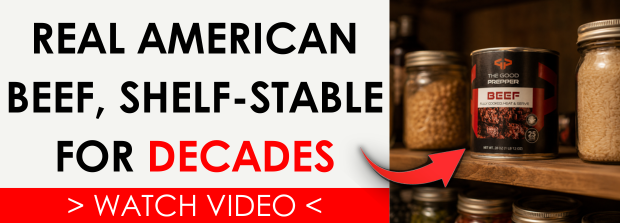
Store water. Add the ability to filter more. Build a pantry of staples. Add canned meat that turns those staples into complete meals.
When hard times arrive, the family that can pour safe water and put real food on the table has already solved two of the most urgent problems.
Everything else becomes easier from there.






Read the full article here