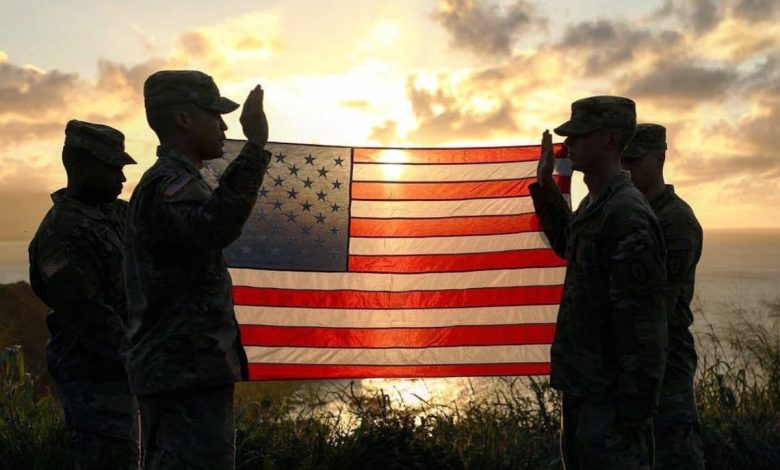

The Army is adjusting how it awards reenlistment bonuses, refining how incentive pay is awarded as it tries to keep high-performing soldiers in hard-to-fill roles.
The new guidance, put forth in a January military personnel message, applies the Army’s Quality Tiered Incentive Program to reenlistment bonuses, which means the Army will factor in physical fitness, job proficiency and command assessments alongside traditional eligibility criteria.
The new policy, effective Feb. 2, does not eliminate bonuses but narrows how and to whom they are awarded.
The message also includes a transition period in February, delaying the full rollout of the new bonus criteria until March.
The changes affect enlisted soldiers who are eligible for selective reenlistment bonuses, particularly those in low-density, high-demand specialties like cyber, intelligence, aviation and special-operations adjacent roles.
Soldiers in roles that the Army considers harder to replace or more expensive to train are more likely to see higher bonuses.
The Army said the changes are intended to address “personnel shortages and the expansion of Army structure,” according to the message.
One expert said the changes show a more confident retention environment where the Army can be more selective about who receives its largest incentives.
“It’s a sign of health when the services can be more selective and they can tie retention bonuses, or even the opportunity to reenlist to the highest performers,” said Katherine L. Kuzminski, the director of studies at the Center for a New American Security.
The latest bonus list reflects roles the Army could consider costly or difficult to train, she said. Rather than a sweeping change, Kuzminski said the updated guidance reflects the Army’s annual process of identifying which skills it needs to prioritize keeping in the force on the enlisted side.
“I do think it’s a signal that, because retention is strong, the Army can be selective on who gets an opportunity to reenlist, and then can be selective in who gets those bonuses,” she said.
Eve Sampson is a reporter and former Army officer. She has covered conflict across the world, writing for The New York Times, The Washington Post and The Associated Press.
Read the full article here