NEWYou can now listen to Fox News articles!
Researchers say they’ve identified 168 chemicals that may affect gut bacteria — substances that people can encounter in a range of everyday environments.
Experts from the University of Cambridge published a study on Tuesday in the journal Nature Microbiology that found many everyday substances can hinder the growth of beneficial gut bacteria — and it goes beyond pesticides.
The scientists studied how 1,076 chemical contaminants affected 22 bacterial species, creating a machine-learning model to forecast how likely chemicals were to harm gut health.
CALIFORNIA ESCALATES ITS WAR ON PLASTIC GROCERY BAGS, BANNING EVEN ‘REUSABLE’ VERSIONS
The chemicals included bisphenol AF (BPAF), perfluorononanoic acid (PFNA), glyphosate, chlordecone, imazalil and dozens more.
The substances span a wide range of uses — from flame retardants and fungicides to insecticides and plastic additives.
Potential exposure to these chemicals can happen through food, drinking water and environmental contact, according to the study, although real-world levels and their health implications remain uncertain.
“When this system becomes imbalanced, it can contribute to a wide range of health problems involving digestion, weight regulation, the immune system and mental health,” a news release about the study said.
RESEARCHERS SAY MILLIONS DITCHED BREAD FOR NO REASON — HERE’S WHAT’S REALLY HAPPENING
Study author Indra Roux said her team was “surprised” to learn that the chemicals had such damaging effects.
“We’ve found that many chemicals designed to act only on one type of target, say insects or fungi, also affect gut bacteria,” Roux said.
“The gut isn’t just a digestion machine — it’s a central command center for immunity, metabolism and inflammation.”
“For example, many industrial chemicals like flame retardants and plasticizers — that we are regularly in contact with — weren’t thought to affect living organisms at all, but they do.”
Kiran Patil, another author of the paper, said the aim is to move “to a future where new chemicals are safe by design.”
“Now [that] we’ve started discovering these interactions in a laboratory setting, it’s important to start collecting more real-world chemical exposure data, to see if there are similar effects in our bodies,” Patil said.
Dr. Will Bulsiewicz told Fox News Digital that in his view, the study is “a wake-up call.”
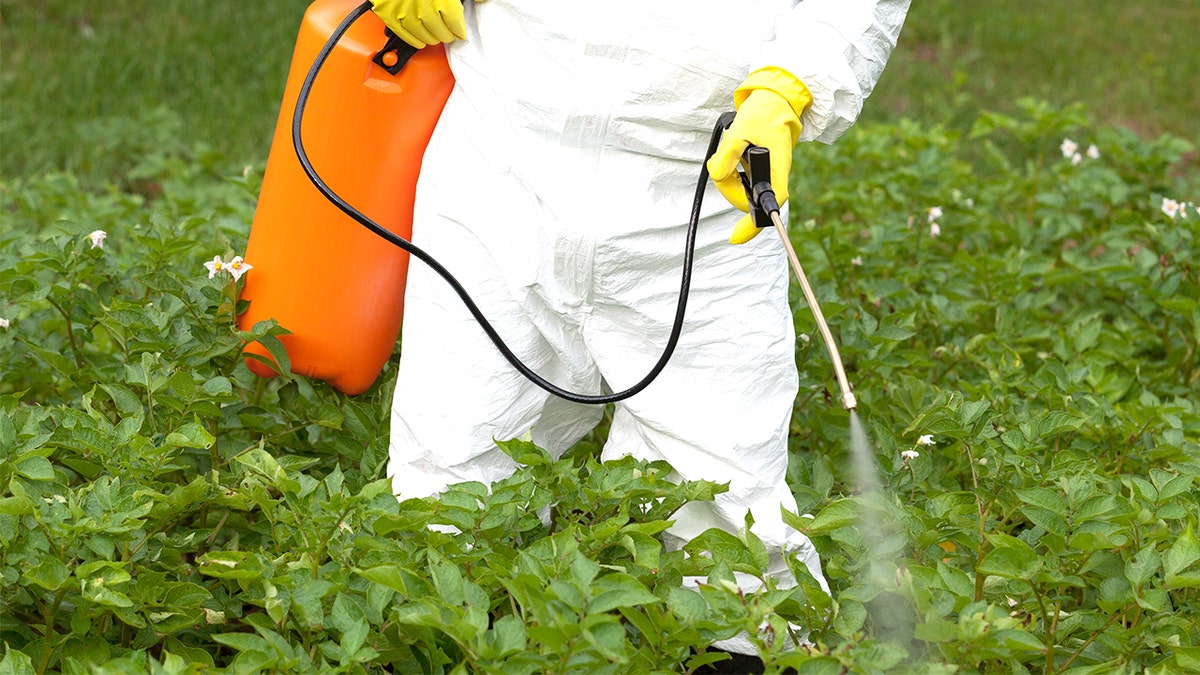
“The gut isn’t just a digestion machine — it’s a central command center for immunity, metabolism and inflammation. If we disturb it, we invite trouble,” the South Carolina-based gastroenterologist said. (He was not involved with the new study.)
“If these microbes are weakened, the gut barrier becomes vulnerable, the immune system becomes overactive and chronic inflammation — the root of so many modern health issues — starts to rise.”
“We don’t need panic, but we do need progress.”
Above all, Bulsiewicz said the focus shouldn’t just be on chemicals, but on the broader need for microbiome testing on consumer goods.
CLICK HERE FOR MORE LIFESTYLE STORIES
“We don’t need panic, but we do need progress,” he said. “The science is clear: Protecting human health now means protecting the microbes that defend us. It’s time to rethink how we design and evaluate the chemicals used in our homes, farms and food system.”
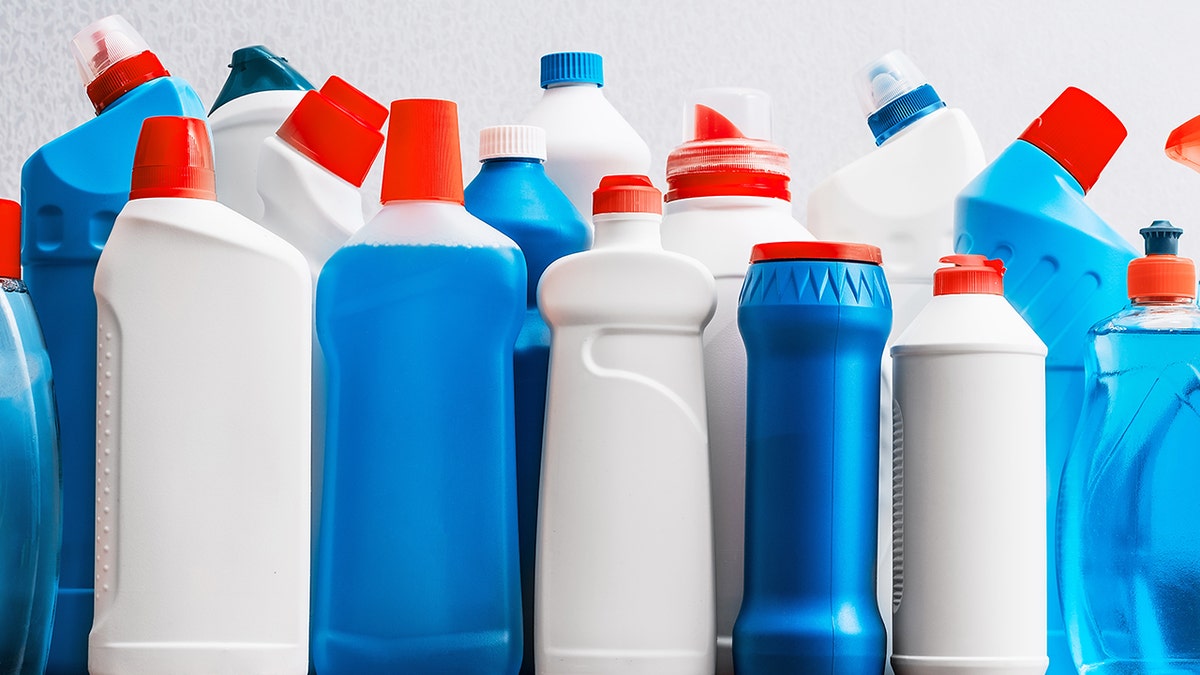
Momo Vuyisich, a biochemist and chief science officer at health testing company Viome, told Fox News Digital he recommends consumers focus on eating organic foods in light of the research.
TEST YOURSELF WITH OUR LATEST LIFESTYLE QUIZ
The Washington-based expert (also not involved with the study) said consumers should “dramatically reduce the intake of antibiotics, pesticides and food additives such as emulsifiers and preservatives.”
He added, “For packaged foods, read the ingredient list and do not buy anything your grandma would not recognize, like benzoate, polysorbate, aspartame. I call these ‘additives,’ and foods from traditional grocery stores are full of them — so shopping can get frustrating.”
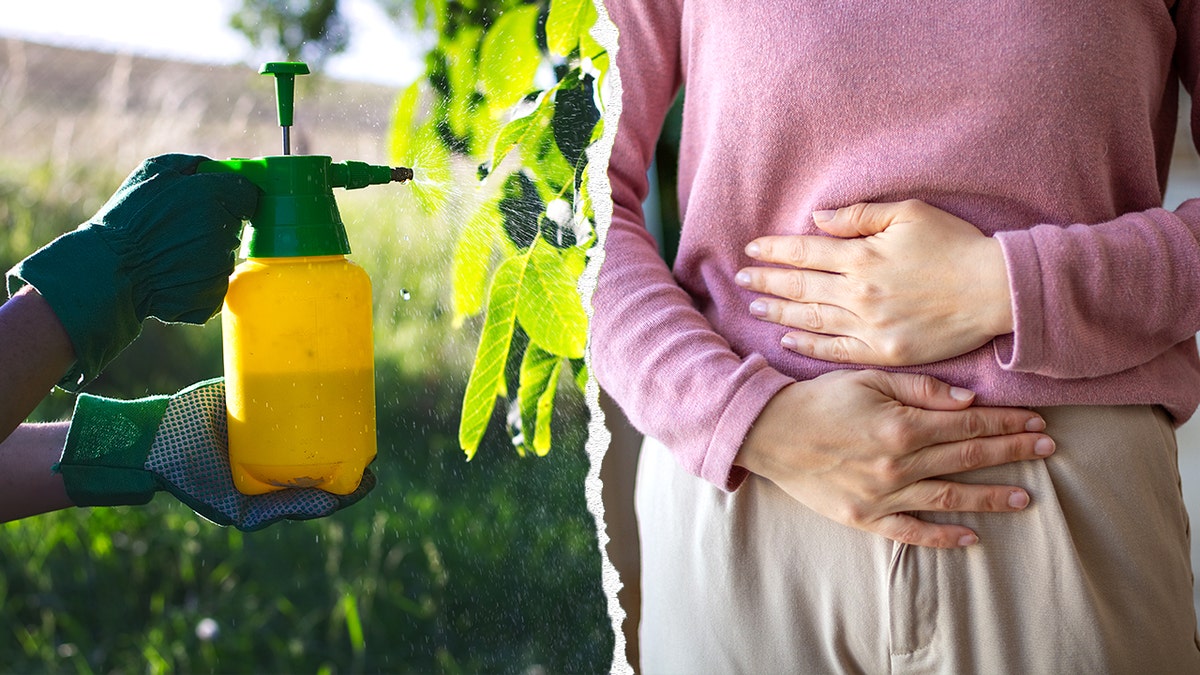
Vuyisich emphasized the importance of taking care of gut health, as microbiome disruption “can negatively affect every single part of the human body.”
“It significantly contributes to our physical, mental, cognitive and immune health,” he said.
Vuyisich said early changes in the microbiome may be detectable through specialized testing, including tools his company develops, though such tests are not universally recommended by clinicians.
Experts not involved in the study note that while the results provide valuable clues, additional research is needed to determine whether these laboratory findings reflect real-world risks to human health.
The research was funded by the European Research Council and the Medical Research Council UK. Fox News Digital reached out to the American Chemical Society in Washington, D.C., for comment on the study.
Read the full article here