
Commissaries will soon start charging shoppers for paper and plastic single-use bags.
Starting April 6, customers will pay 5 cents each for plastic bags and 10 cents for paper bags. The move will save the commissary system money, officials stated in their announcement about the change.
It “will allow the Defense Commissary Agency to continue to offer its eligible patrons significant savings while strengthening its fiscal stewardship and reducing operating expenses,” officials stated.
According to a DOD Comptroller document, the move will save the commissary system at least $17 million in fiscal 2026. But information wasn’t available about whether that $17 million represents the savings for only the six months left in the fiscal year.
In 2006, the commissary agency spent about $20 million for single-use bags, according to the latest information available.
The commissary agency receives about $1.5 billion per year in taxpayer dollars to operate these discounted grocery stores as a benefit for the military community. The Defense Department’s goal is an overall savings of 25% compared to commercial stores outside the gate.
Officials encouraged customers to bring their own reusable bags, or purchase them from the commissary. Those stores sell a variety of reusable bags, including hot/cold special bags at different prices, with one basic option listed at 44 cents.
This change doesn’t apply to commissaries in Guam, Hawaii, California and Washington, because of local, state or territorial laws banning single-use bags.
Shoppers who use the commissary’s Click2Go curbside or delivery service will have the option to purchase bags online when checking out. According to the commissary website, customers can also note at the end of their Click2Go order that they will be bringing their own bags.
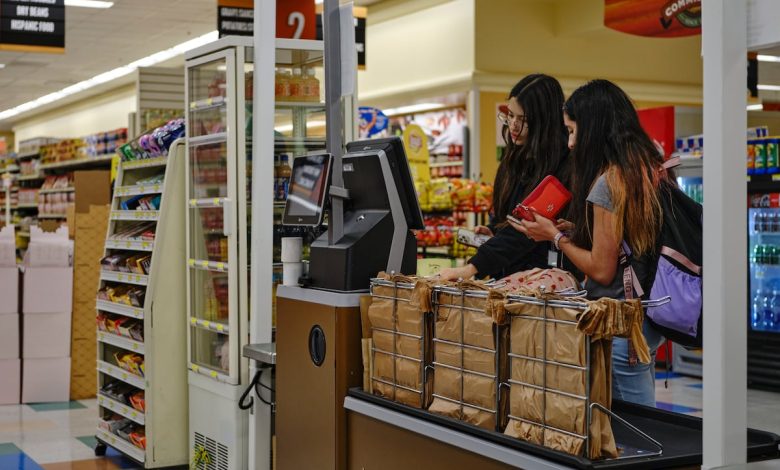
Those customers using the self-checkout lanes will be prompted to enter the number of single-use bags used at the end of the order, as many commercial grocery stores do in areas where customers are charged for bags.
Karen has covered military families, quality of life and consumer issues for Military Times for more than 30 years, and is co-author of a chapter on media coverage of military families in the book “A Battle Plan for Supporting Military Families.” She previously worked for newspapers in Guam, Norfolk, Jacksonville, Fla., and Athens, Ga.
Read the full article here