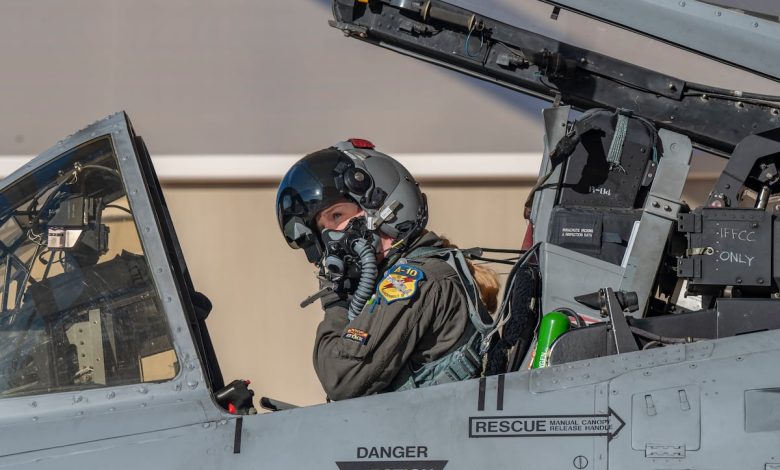

The U.S. Air Force is on track to graduate 1,500 new pilots in fiscal 2026 after a year of modernizing the service’s flight-training model.
The Air Force began a new initiative in 2025 called the Future of Undergraduate Pilot Training, shifting flight training from traditional military pilot training to civilian flight schools. The ability to add 1,500 pilots this fiscal year, which ends Sept. 30, confirms the validity of the FUPT to bridge the gap of the service’s 2,407-pilot shortfall, according to a recent release.
“Reaching 1,500 pilots is a milestone, but it is not the finish line,” Lt. Gen. Clark J. Quinn, commander of Air Education and Training Command, said in the release. “FUPT was built to overcome long-standing constraints including instructor shortages and aircraft availability to deliver the aviators our combatant commanders require.”
In the FUPT model, AETC and civilian aviation programs are paired together to allow student pilots to complete foundational flight training at Federal Aviation Administration Part 141-certified civilian flight schools across Texas, Arizona, Florida and Georgia, before using military aircraft.
The framework allows the Air Force to reserve military aircraft, instructor capacity and flying hours for advanced military training, while permitting students to earn their private pilot license, instrument rating and multi-engine rating.
Student pilots enter the military pipeline with around 120 flight hours, instead of only 30 under the previous Initial Flight Training structure.
After the “civilian phase,” student pilots transition to a military syllabus focused on the T-6A Texan II trainer aircraft and advanced simulation to gain their wings, the release states.
Because the students arrive with foundational knowledge, military instructor pilots can focus on tactical fundamentals, rather than basic skills, according to the Air Force.
The 19th Air Force, which oversees and manages all formal aircrew flying training, redesigned the T-6 curriculum into a “competency-based syllabus” that matched operational requirements, reducing T-6 training days by 31%.
“Achieving 1,500 validates that we can scale future undergraduate pilot training, and we now continue the focus on refining the training to ensure the quality of our graduates matches the scale,” Quinn said.
“Our instructor pilots, maintainers, and support teams adapted this enterprise to meet the need, ensuring a steady flow of skilled aviators for our combatant commands,” he concluded.
Cristina Stassis is a reporter covering stories surrounding the defense industry, national security, military/veteran affairs and more. She previously worked as an editorial fellow for Defense News in 2024 where she assisted the newsroom in breaking news across Sightline Media Group.
Read the full article here