VA said electronic health record modernization would cost $10 billion — now it’s $48 billion

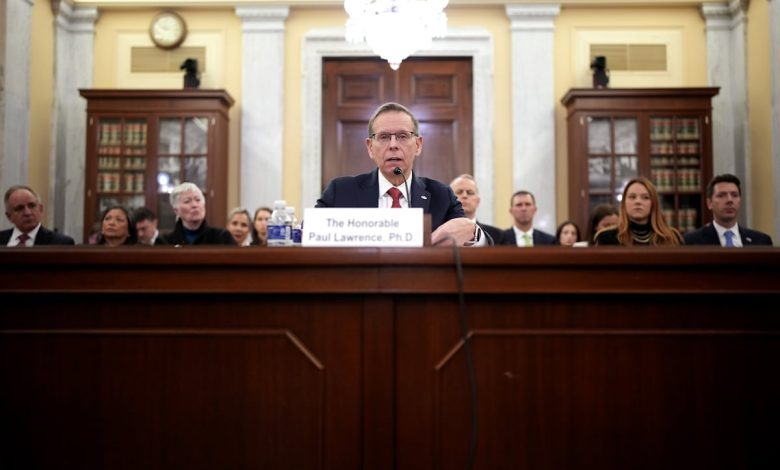

The Department of Veterans Affairs is nearly tripling the ceiling on its contract with Oracle to modernize the agency’s electronic health record system, yet lawmakers left a House Veterans’ Affairs Committee hearing Wednesday without clear answers about why the increase is necessary or how much taxpayers will ultimately pay.
VA’s original electronic health record contract had a ceiling of roughly $10 billion. The department has increased that ceiling to roughly $27 billion, an increase of about $17 billion.
The nearly $27 billion figure discussed repeatedly during Wednesday’s hearing is not money VA has already spent. It is the maximum potential value of the Oracle contract.
But the new contract ceiling is substantially higher than the ceiling on the deal VA struck with Cerner in 2018. Oracle acquired Cerner in 2022.
VA’s original contract had a ceiling of about $10 billion over 10 years. The department said at the time that the contract would replace its aging Vista system and create a common electronic health record with the Defense Department.
The issue lawmakers pressed throughout the hearing was why VA needs roughly $17 billion more under that contract.
VA Deputy Secretary Paul Lawrence offered part of the answer during Wednesday’s hearing, but not all of it.
Lawrence said VA had estimated the cost of completing the deployment through 2031, asked Oracle for a proposal and then relied on its acquisition team to negotiate the resulting contract.
But Lawrence says he was not involved in those negotiations and could not explain why Oracle’s proposal reached roughly an increase of $17 billion, how much VA negotiated from the company’s request or what specifically drove the additional cost.
Chairman Mike Bost, R-Ill., asked whether VA expected to hit the original contract ceiling early and whether the accelerated rollout contributed to the increase.
Lawrence said VA had “hit the ceiling as planned.”
Elsewhere in the hearing, Lawrence described problems and complexities from earlier phases of the program requiring Oracle to address those issues as the department continued the rollout.
Lawmakers did not get a detailed explanation Wednesday of exactly what those complexities were or when VA determined the original ceiling would be insufficient.
The hearing also did not establish how much of the new ceiling VA ultimately expects to spend.
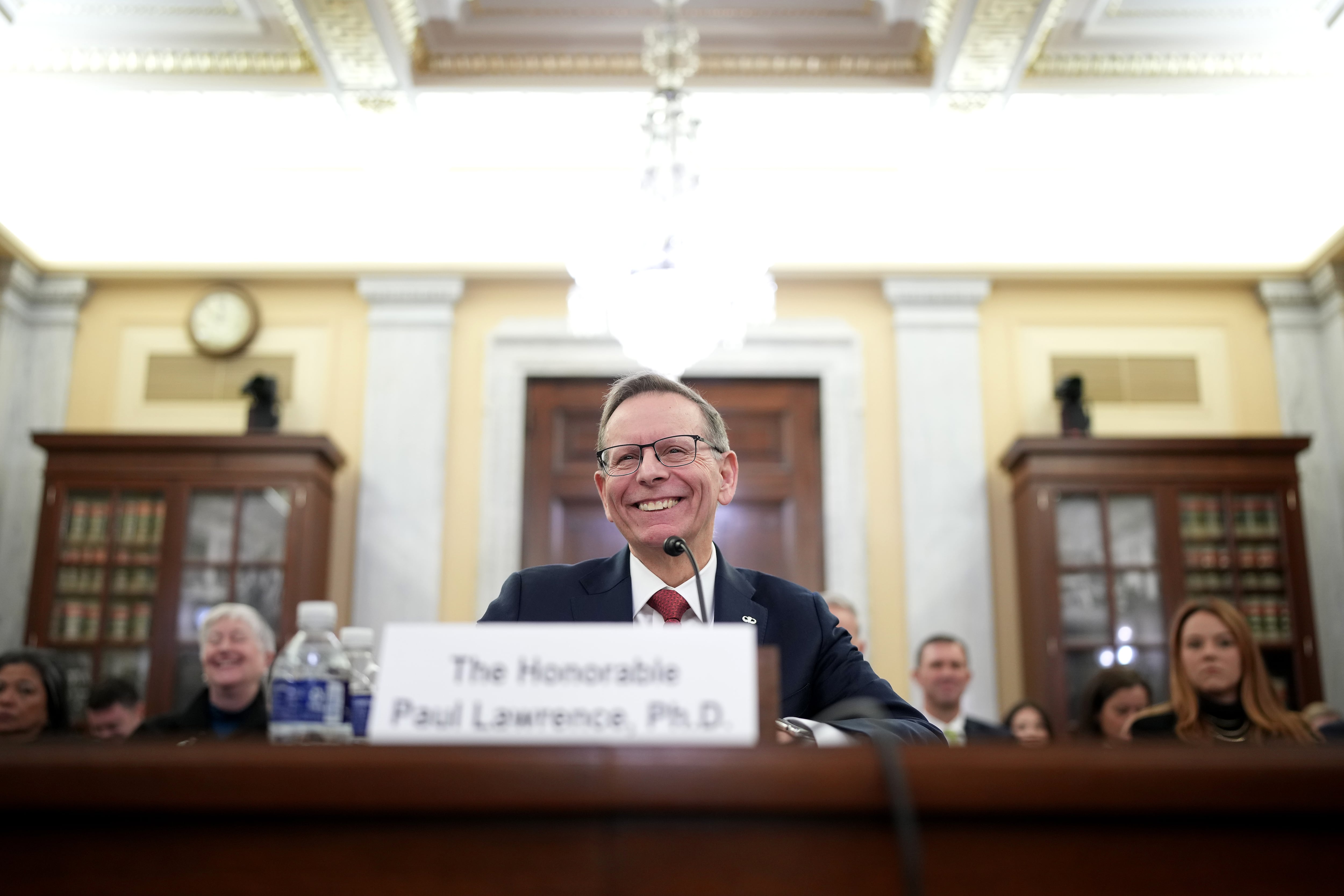
Lawrence emphasized that the roughly $27 billion figure is a contract ceiling, not a $17 billion payment to Oracle. He said the contract operates on a time-and-materials basis, meaning individual work is negotiated and obligated under the ceiling.
The expanded contract encompasses more than the electronic health record itself, including software and licensing, hosting, managed services, training, testing, data migration, change management, deployment support and other work.
What did VA actually negotiate with Oracle?
Lawmakers repeatedly returned to Oracle’s previous assurances about the program’s costs.
During the hearing, members cited a 2022 statement from Oracle Health CEO Mike Sicilia that the company was prepared to bear cost overruns associated with the VA project.
Lawrence said he was aware of the statement but could not explain how it was reflected in the current contract negotiations.
He said VA would need to determine what Oracle had previously promised and how the department’s acquisition team handled those commitments.
The department also provided lawmakers with a much larger estimate for the modernization effort as a whole.
Lawrence said VA estimates it will cost about $37 billion to complete deployment through 2031, plus approximately $11 billion for sustainment, for a total of roughly $48 billion.
When Rep. Maggie Goodlander, D-N.H., asked whether that was an independent estimate, Lawrence corrected himself and acknowledged that it was not.
The Government Accountability Office told the committee Wednesday that VA still has not provided an updated cost estimate or detailed documentation of its schedule sufficient for GAO to determine whether the schedule is consistent with leading practices. GAO also noted VA has fully implemented only four of its 18 recommendations related to the EHR modernization program, with 14 still not fully addressed as of August.
Members from both parties questioned the cost increase, the pace of the rollout and whether VA could demonstrate that the additional spending is producing better care.
Lawrence defended the recent deployments as an improvement over earlier phases of the program.
VA has deployed the system to 11 sites in 2026, with Cleveland and Anchorage scheduled to go live in October. The department plans 26 additional site deployments in 2027 and expects to continue deployment waves through 2031.
Lawrence said VA is using 15 “return to normal” measures to determine whether facilities have recovered after implementation, including emergency department throughput, ambulatory visits, surgeries and inpatient care.
He also said trouble tickets have declined with each successive deployment and that, at Indiana on Day 12, more than 75% of trouble tickets had been closed and validated by the end users who submitted them.
Lawmakers questioned whether those measures are enough to demonstrate that the system is working safely and effectively.
Rep. Conaway, D-N.J. raised reports that roughly 300 dermatology patients at a VA facility had their referrals canceled after implementation of the Oracle system, including patients with cancer diagnoses.
VA’s chief medical officer, Dr. Adam Evans, did not explain what had happened. Instead, he asked lawmakers to provide the information so the department could investigate.
Lawmakers question the training
Rep. Chris Pappas, D-N.H., said VA employees had reported completing Oracle’s required training without feeling confident using the system and said some new employees had been unable to document care for two to four weeks.
Lawrence defended VA’s training requirements while acknowledging that the department continues to make changes based on feedback from recent deployments.
Throughout the session, lawmakers asked a spate of questions, including: why Oracle’s proposal for additional work came to roughly $17 billion; what VA negotiated; why taxpayers are being asked to shoulder the additional cost after Oracle’s earlier assurances about cost overruns; and how the new contract ceiling fits into VA’s broader estimate of roughly $37 billion to complete deployment and another $11 billion to sustain the system.
VA officials did not provide detailed answers to those questions during the hearing. The dissatisfaction was bipartisan.
Oracle was not there to speak for themselves. The company initially accepted an invitation to testify before the committee but later declined, citing time constraints.
Rep. Maxine Dexter, D-Ore., moved to subpoena Oracle executive chairman Larry Ellison and CEO Mike Sicilia, arguing that the committee cannot perform effective oversight when the company responsible for the contract will not appear to answer questions.
Ranking Member Mark Takano, D-Calif., also questioned whether VA had resolved problems identified during earlier deployments, citing concerns from employees at the Michigan, Southern Ohio and Indiana sites.
“Employees in Michigan, Southern Ohio, and Indiana are telling us that many of the issues identified by the first six sites still have not been fixed,” Takano said.
Lawrence, meanwhile, told lawmakers he remained confident VA could complete the remaining deployments within the new contract ceiling.
“This is the money available to do the things we need to do,” Lawrence concluded.
Natalie Oliverio is an independent journalist and Navy veteran who covers military and veterans’ issues. Drawing on her experience as a talent executive and mentor, she writes about the policies, people and programs shaping the military community.
Read the full article here